AI dental receptionist guide
How a dental AI receptionist books appointments 24/7
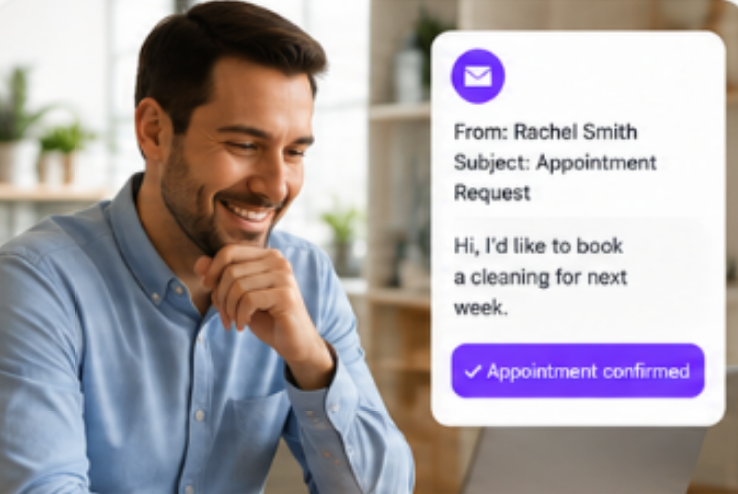
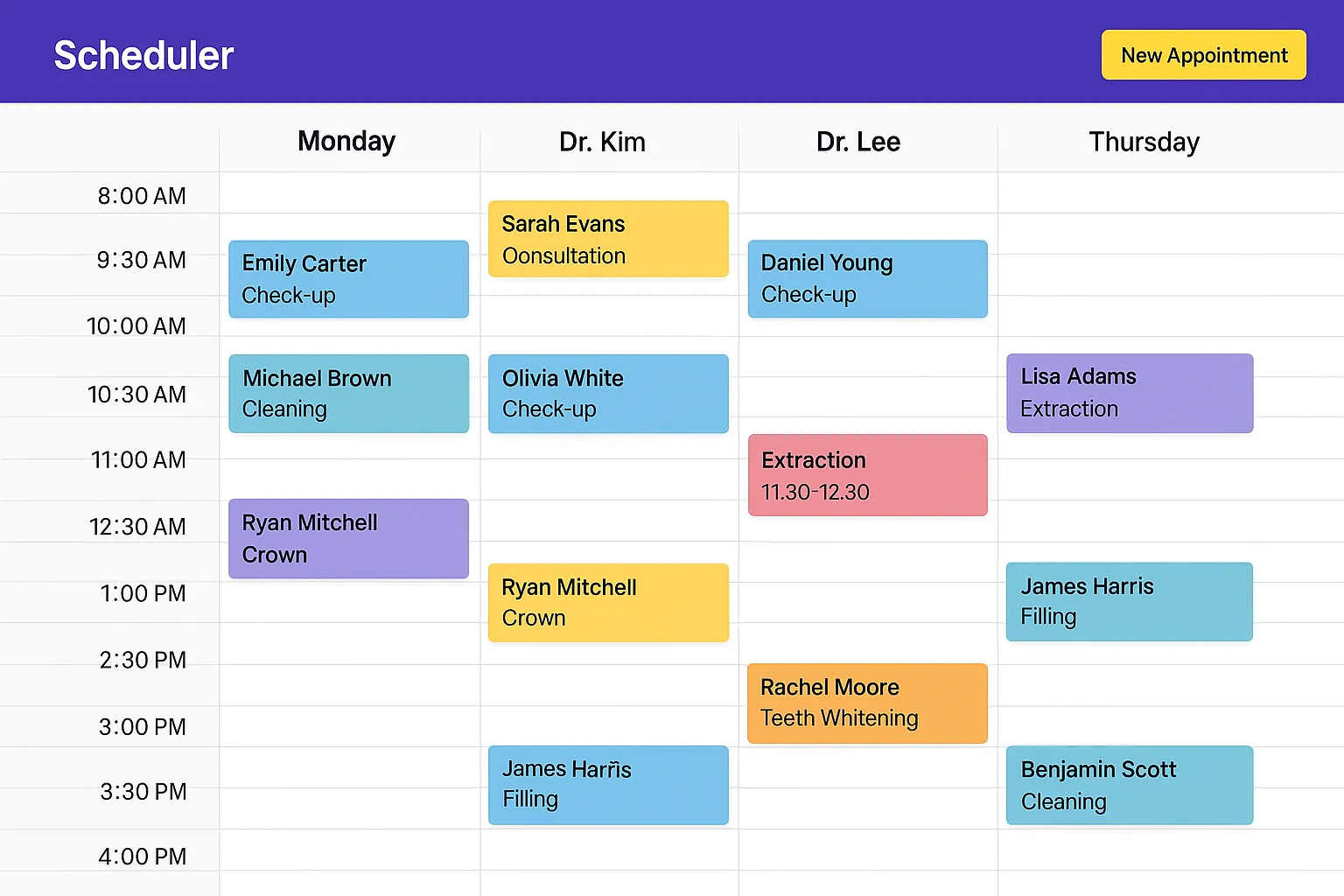
A dental AI receptionist answers every inbound call within one ring, identifies returning patients from the PMS, checks live operatory and provider availability, and writes the booking directly into Dentrix, EagleSoft, OpenDental, Curve, or Denticon — before the caller hangs up. TensorLinks completes 92% of bookings on the first call without a callback queue, and routes only complex cases (insurance disputes, clinical questions) to staff with a full conversation summary attached.
Staff handoff: what happens when the AI can't handle it
TensorLinks routes to staff in three scenarios: the patient explicitly asks to speak with someone, the request requires clinical judgment (exam findings, treatment plan changes, post-op concerns), or an insurance dispute needs a human to resolve. In each case, the AI does not put the patient on hold and transfer cold — it prepares a full handoff summary before connecting.
The handoff summary delivered to staff includes: the patient's name and account record, the reason for the call in plain language, any appointment details or insurance data already confirmed, and the full conversation transcript up to that point. Staff pick up with full context — no “can you hold while I pull your chart?” and no repeated questions.
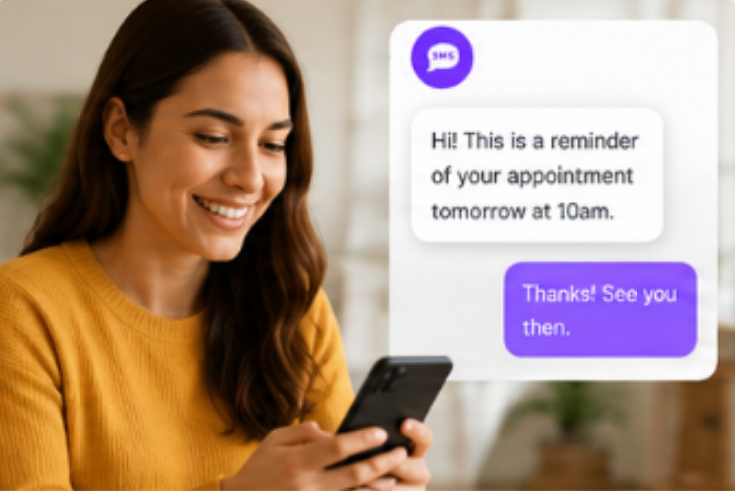
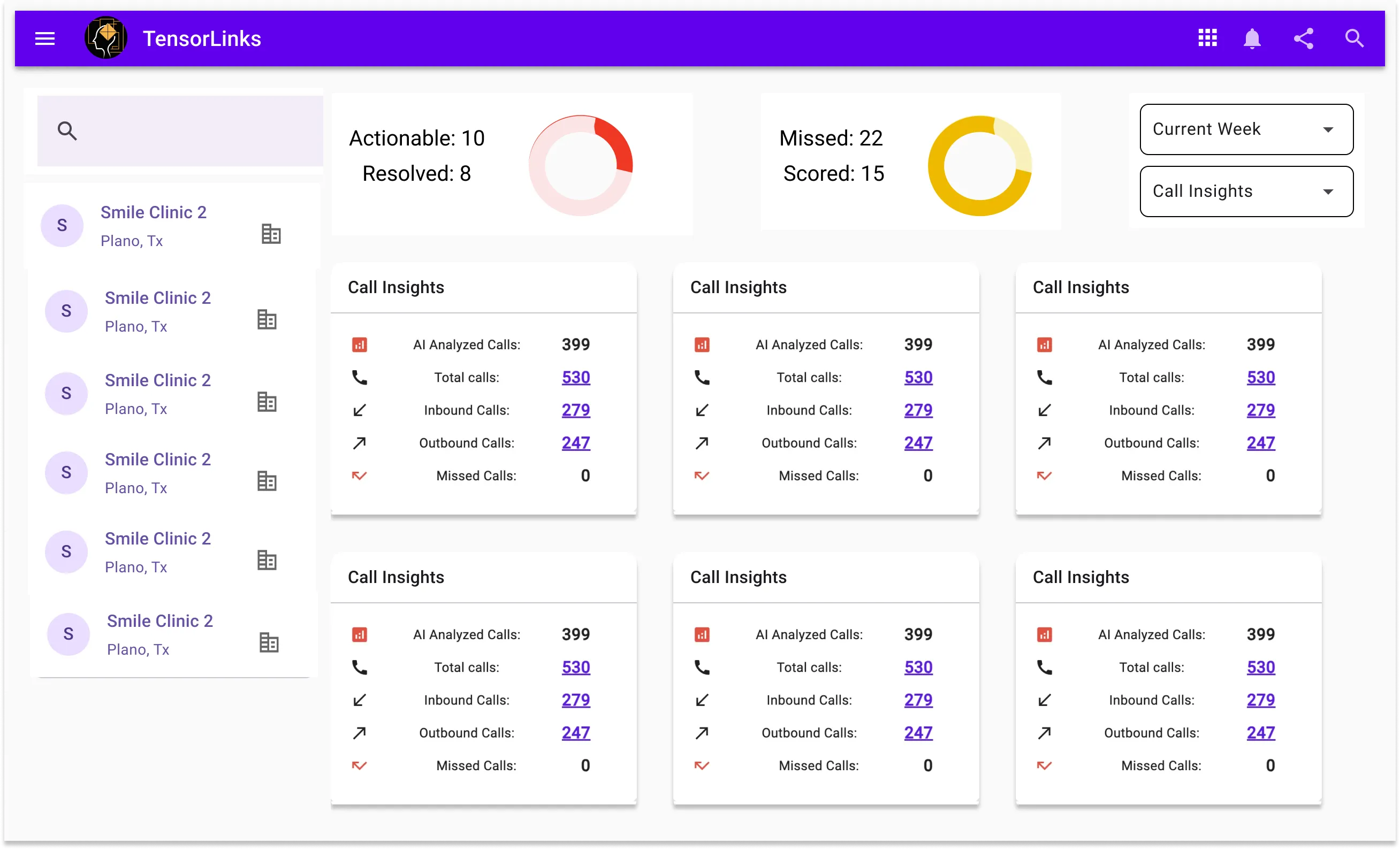
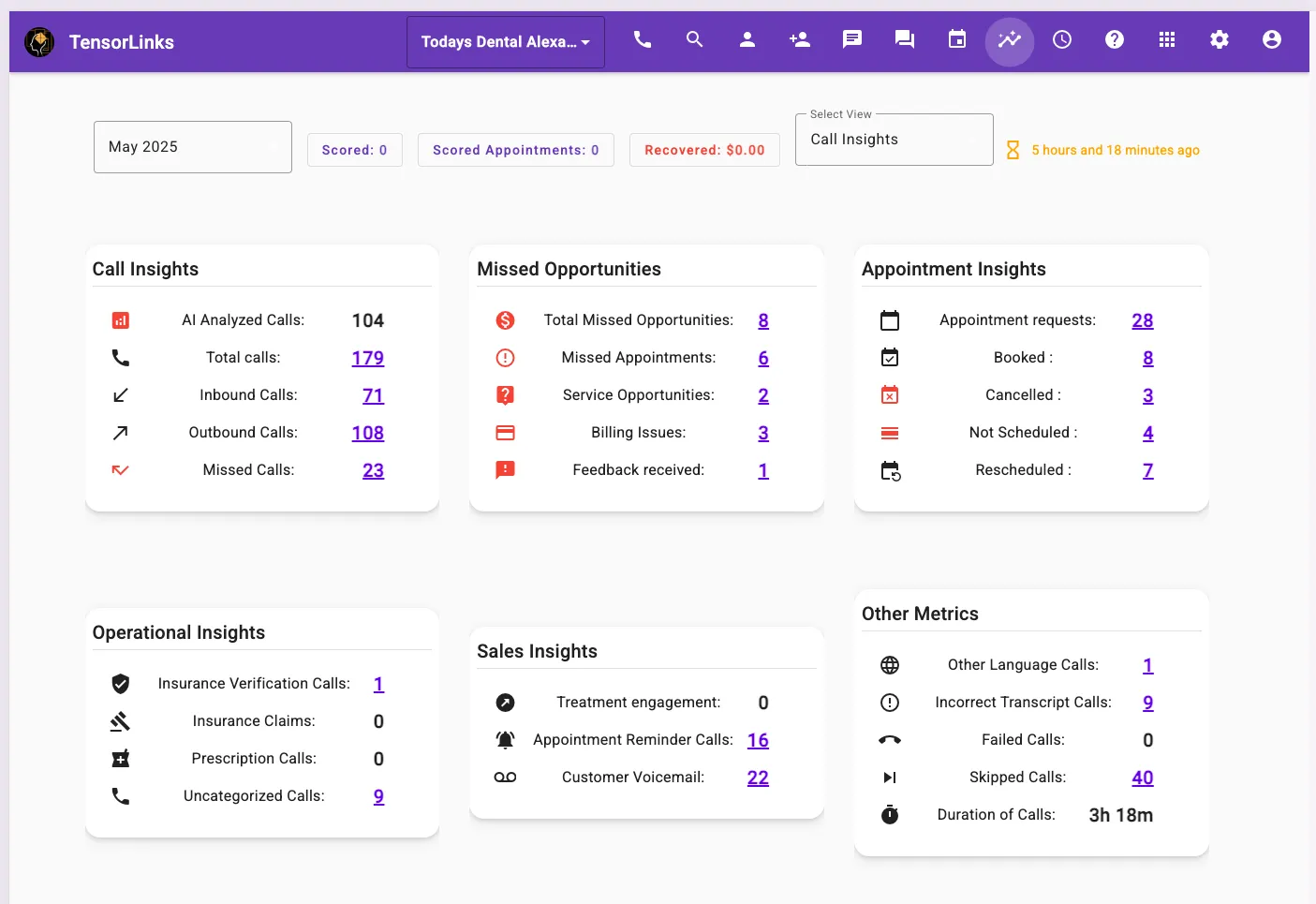
For after-hours escalations (clinical emergencies, urgent pain calls), the AI follows your configured on-call protocol: it can send an SMS alert to the on-call provider, leave a voicemail on a designated line, or queue the case for first-thing-morning follow-up with a priority flag. Every escalation is logged with a timestamp and outcome in the TensorLinks dashboard.
AI receptionist for dentists: pricing and PMS support
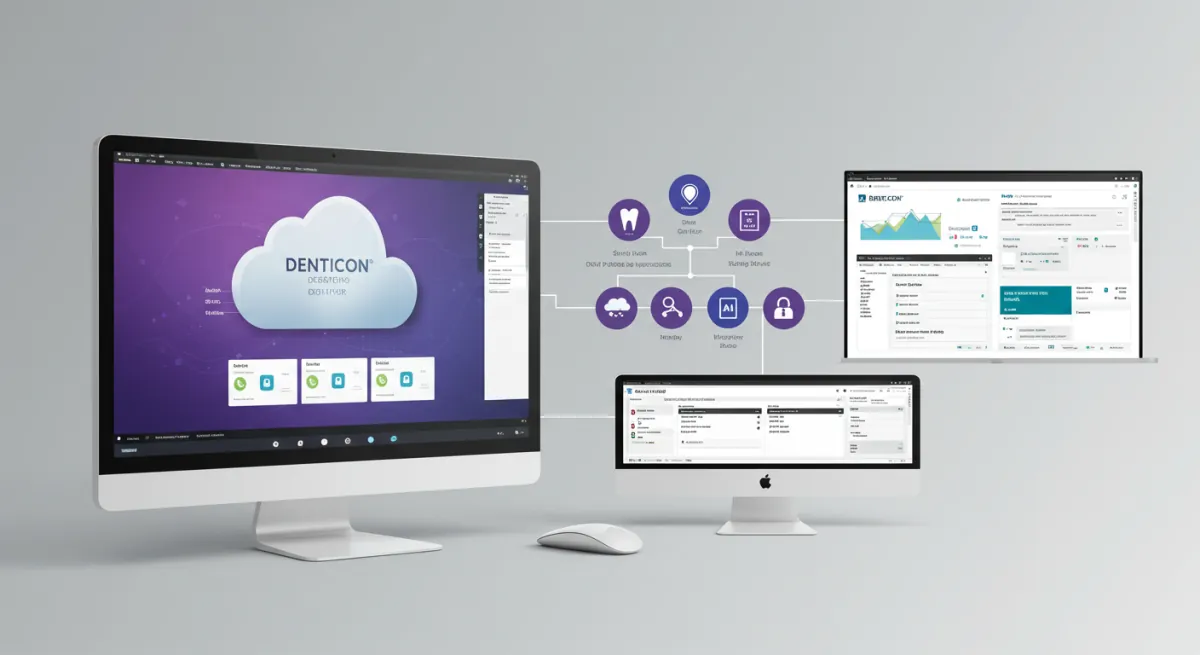
An AI receptionist for dentists typically costs $200–$600 per location per month, versus $3,000–$4,000 for a full-time human equivalent. TensorLinks starts at $399/month per location with a 30-day free trial and a $199 one-time setup fee. The platform integrates with 15+ PMSes including Dentrix (G6/G7/Ascend), EagleSoft, OpenDental, Curve Dental, Denticon, CareStack, Athena, Cloud9, Dolphin, eClinicalWorks, ModMed, OrthoTrac, PracticeWorks, and NextGen Office. Most practices go live within 1–2 weeks.
Compare features in detail on our pricing page or see the 2026 buyer's guide.
Virtual dental receptionist: when an off-site agent makes sense
A virtual dental receptionist handles inbound calls remotely — useful when the practice is short-staffed, growing fast, or open beyond standard hours. AI-powered virtual receptionists answer instantly 24/7/365, never call out sick, scale across any number of locations without additional headcount, and integrate with the same PMS your in-office team uses. Practices typically switch from a human virtual receptionist service after the first missed-call audit: human services average 38% missed calls after-hours; TensorLinks averages 0%.
AI dental front desk vs. a live answering service
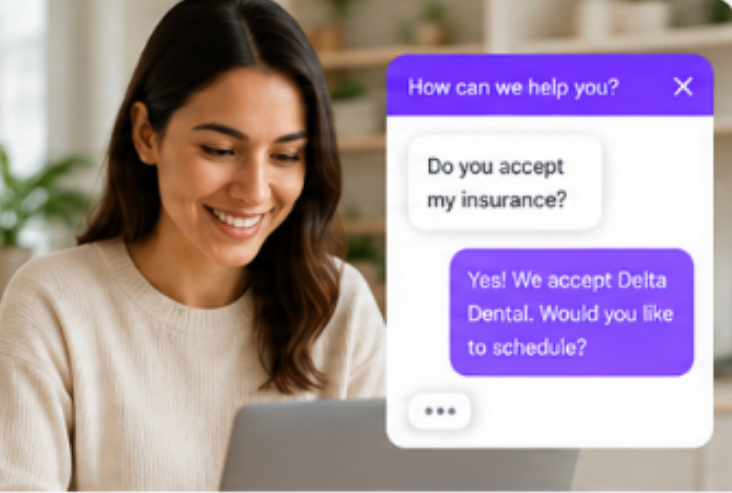
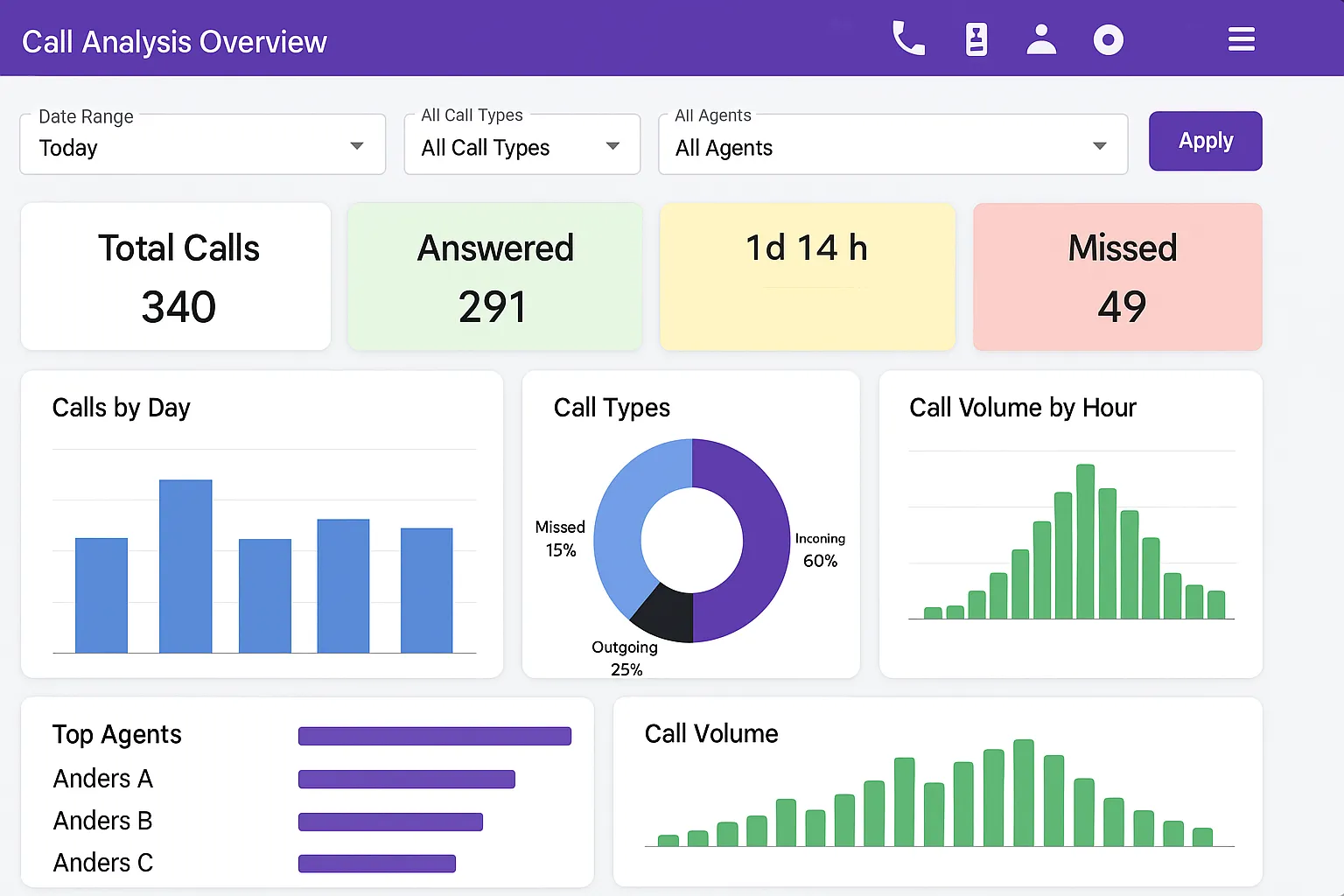
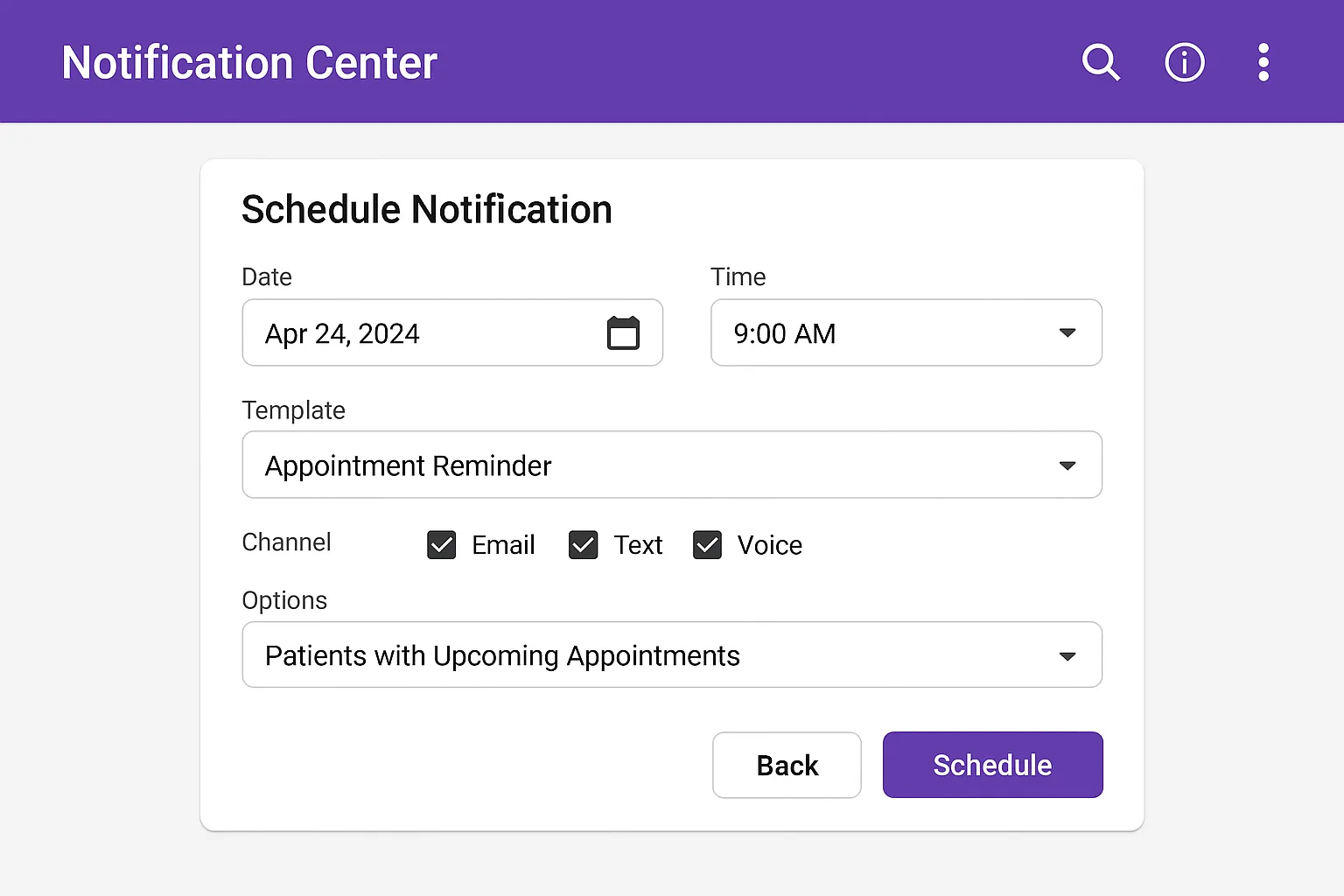
A traditional dental answering service takes a message and routes a callback — and 60% of callers never call back. An AI dental front desk completes the entire transaction on the first call: verifies the patient, confirms insurance, books the appointment in the PMS, sends SMS + email confirmations, and updates the recall list. The result for the practice: zero callback queue, zero missed bookings, full attribution of every inbound call.
AI receptionist dental: what to look for in 2026
- Native PMS write-back — bookings written directly into Dentrix/EagleSoft/OpenDental, not just calendar invites
- Operatory-aware scheduling — respects chair, provider, and appointment-type rules per location
- Multilingual with auto-detection — 24+ languages, no IVR menu prompts
- HIPAA + BAA + SOC 2 — non-negotiable for handling PHI
- Transparent published pricing — avoid “contact sales”-only vendors
- 30-day trial or money-back guarantee — real vendors stand behind the product